
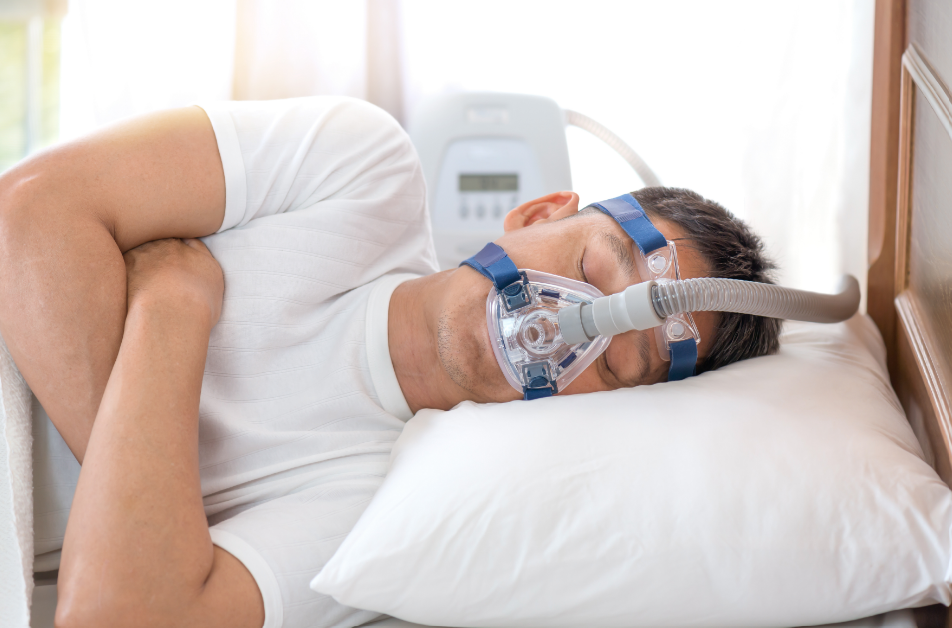
Sleep apnea is a common but often underdiagnosed condition that affects millions of adults. It occurs when the airway becomes partially or completely blocked during sleep, leading to interrupted breathing and poor-quality rest. Over time, untreated sleep apnea can contribute to fatigue, high blood pressure, heart problems, and other health issues. Understanding the risk factors can help you take proactive steps to protect your health.
Common Risk Factors for Sleep Apnea
Several factors increase the likelihood of developing sleep apnea, including:
- Excess Weight: Carrying extra weight, especially around the neck, can narrow the airway and make it more likely to collapse during sleep.
- Age: Sleep apnea becomes more common as adults age, particularly in those over 40.
- Gender: Men are more likely to develop sleep apnea than women, although postmenopausal women face a higher risk.
- Family History: Genetics can play a role, as some anatomical traits that contribute to airway obstruction may run in families.
- Lifestyle Factors: Smoking, alcohol consumption, and certain medications can relax airway muscles, increasing the risk of obstruction.
- Medical Conditions: High blood pressure, diabetes, and heart disease are linked with higher rates of sleep apnea.
Symptoms to Watch For
Sleep apnea is often difficult to recognize on your own, but common signs include loud snoring, pauses in breathing during sleep, morning headaches, daytime fatigue, irritability, and difficulty concentrating. If you notice these symptoms, it’s important to consult a healthcare professional for evaluation.
Steps to Reduce Your Risk
While some risk factors, like age and genetics, are beyond your control, there are lifestyle changes that may help lower your risk of sleep apnea:
- Maintain a Healthy Weight: Even modest weight loss can reduce airway obstruction and improve sleep quality.
- Exercise Regularly: Physical activity supports overall health and can improve sleep patterns.
- Limit Alcohol and Sedatives: Avoid substances that relax throat muscles, especially close to bedtime.
- Sleep Position: Sleeping on your side rather than your back may help keep your airway open.
- Manage Medical Conditions: Controlling blood pressure, diabetes, and other health issues can reduce complications linked to sleep apnea.
Early detection and intervention are key to preventing the serious consequences of untreated sleep apnea. If you suspect you may be at risk, speak with your healthcare provider about screening options and potential treatment plans.
About the Practice
At Wolfe Dental of Cedar Mill, patients have access to comprehensive sleep apnea evaluation and treatment. Our patients will discover personalized solutions, including oral appliances designed to keep airways open during sleep. With a focus on patient comfort and long-term wellness, Wolfe Dental’s experienced team works closely with patients to identify risk factors, provide education, and implement effective treatments that support better sleep and overall health.
Call us at (503) 751-2735 or request an appointment online.